
KGO-TV's License at Risk: A Wake-Up Call for Local Broadcasting | vaksin99 slot link alternatif, slot online promo
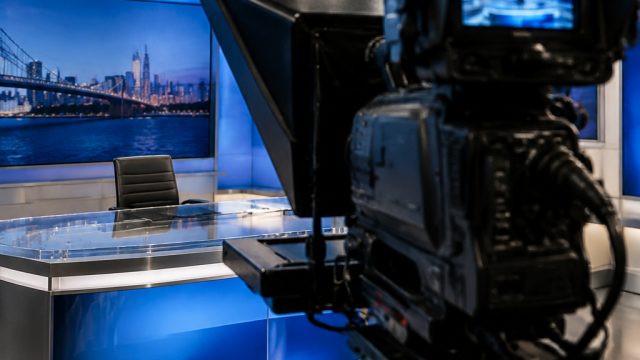
The landscape of local broadcasting is facing unprecedented challenges, as recent reports indicate that KGO-TV, the ABC affiliate in San Francisco, is at risk of losing its FCC license. This alarming situation has implications not just for KGO-TV, but for local media as a whole, raising questions about the future of broadcasting and media freedom in the United States.
The Current Landscape of Local Broadcasting
Local television stations have historically served as the backbone of community news and information, offering tailored coverage of events ranging from local politics to sports. However, recent trends suggest that these stations are grappling with significant challenges, including financial pressures and increased competition from digital media.
The Impact of FCC Regulations
The Federal Communications Commission (FCC) plays a crucial role in overseeing broadcasting standards and ensuring that stations operate within the confines of the law. A review of KGO-TV's license by the FCC has raised eyebrows, especially in light of claims of bias and partisanship in their programming.
Concerns Over Media Freedom
- Potential loss of diversity in news coverage
- Increased partisanship in local broadcasts
- Challenges to journalistic integrity
As advocates for journalistic integrity voice their concerns, this situation serves as a stark reminder of the potential consequences that arise when regulatory bodies intervene in media operations.
What This Means for Viewers
For residents in the Bay Area, the prospect of losing KGO-TV means a significant loss of a local news source. The implications extend beyond mere programming; they touch on the essence of having access to diverse viewpoints and reliable news coverage. With an increasing number of viewers turning to online platforms for news, the potential loss of a trusted local station could lead to a further decline in local journalism standards.
Community Response and Engagement
In response to the FCC's review, community members have begun to rally in support of KGO-TV, emphasizing the importance of local news in keeping citizens informed about issues that matter to them. This grassroots movement exemplifies the vital connection between local media and community engagement.
The Bigger Picture: Local Media's Future
The challenges facing KGO-TV are emblematic of a larger crisis in local journalism across the nation. As audiences increasingly consume news through digital channels, traditional broadcasters must adapt or risk losing their relevance. The rise of media conglomerates has also led to a reduction in local content, which further threatens the viability of standalone stations.
Strategies for Survival in a Changing Market
- Innovating content delivery methods
- Enhancing community involvement in programming
- Exploring partnerships with digital platforms
Local broadcasters must embrace these strategies to survive. The future of KGO-TV and similar stations depends not only on regulatory outcomes but also on their ability to innovate and connect with their communities.
Conclusion: A Call to Action for Local Media
The potential loss of KGO-TV's FCC license serves as a critical reminder of the fragility of local broadcasting. This situation not only highlights the need for regulatory fairness but also urges local media to strengthen their ties with the communities they serve. As viewers, it is essential to support local news outlets and advocate for a broadcasting landscape that prioritizes integrity, diversity, and access to reliable information.
As we watch this situation unfold, the fate of KGO-TV could set a precedent for local broadcasters nationwide. Engaging with our local media, voicing our opinions, and participating in community actions are vital steps in preserving the future of local journalism. The time to act is now.
 Maximizing Your B2B Jewelry Bu
The Art of Wholesale Jewelry:
Transforming B2B Jewelry Suppl
Revolutionizing B2B Jewelry Ex
Maximizing Your B2B Jewelry Bu
The Art of Wholesale Jewelry:
Transforming B2B Jewelry Suppl
Revolutionizing B2B Jewelry Ex
Please contact us with your request
We are ready to answer your questions.