
Exploring the Impact of Steam Machine Pricing Trends on Today's Gaming Market | slots free spins, gunungpoker login, rtp slot 25 april 2022
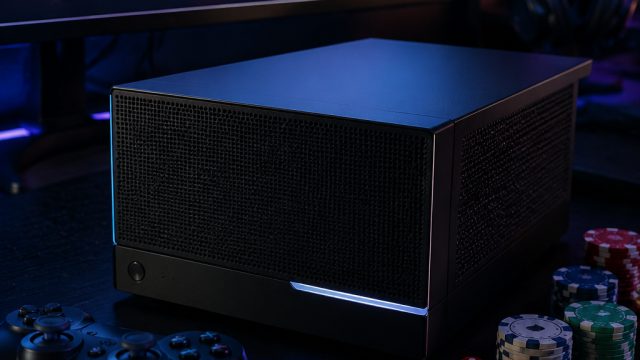
The gaming industry is in constant flux, and recent insights into pricing strategies for the Steam Machine highlight a critical evolution in the market. Originally seen as a revolutionary gaming console, the Steam Machine has drawn attention not just for its gaming capabilities but also for its pricing structure. As we navigate the current gaming landscape, understanding these pricing dynamics is essential for both consumers and game developers alike.
The Initial Promise of the Steam Machine
When Valve launched the Steam Machine concept, it had high hopes for creating a niche device that would combine the power of PC gaming with the accessibility of home consoles. Analysts initially estimated that the price of the device would settle at around $750, which would have positioned it as an affordable option for serious gamers.
Pricing Discrepancies
However, as pricing was revealed, the reality was different. Reports indicated that pre-launch prices were roughly 30% higher than anticipated, with some models exceeding $1,000. This discrepancy sparked widespread debate about whether the Steam Machine could compete with established consoles like the PlayStation and Xbox.
- High Costs: Initial models priced over $1,000 raised eyebrows.
- Market Expectations: Gamers anticipated a more budget-friendly entry.
- Consumer Reactions: The high prices led to skepticism about the product's viability.
What Does This Mean for Today's Gamers?
Fast forward to today, and the repercussions of the Steam Machine's pricing strategy continue to influence gaming trends. As prices rise across the board for gaming hardware, players are becoming increasingly selective about how they invest in console technology.
Consumer Behavior Shifts
Today's gamers are more informed than ever, often turning to various platforms to compare hardware options and pricing. This shift has important implications for how companies price their products and market their value proposition.
- Value Assessment: Gamers are looking for quality at reasonable prices, leading to scrutiny over cost vs. performance.
- Adoption of Alternatives: Many are exploring PC gaming or cloud gaming solutions, which offer flexibility and often lower costs.
- Brand Loyalty: Past pricing strategies can affect long-term brand perception and loyalty.
Future of Gaming Consoles
The future of gaming consoles hangs in the balance as companies strive to adapt to these changes. With the Steam Machine serving as a case study, it becomes clear that understanding consumer needs and preferences is crucial for success.
Emerging Trends to Watch
As we look towards the future, several trends highlight the evolving gaming market:
- Affordable Access: There's a growing demand for budget-friendly consoles that don’t skimp on performance.
- Gaming Subscriptions: Membership models that provide access to various titles are gaining traction.
- Cross-Platform Play: The ability to play games across different devices is becoming a necessity.
Conclusion
The ramifications of the Steam Machine's pricing model are far-reaching and underscore a pivotal moment in gaming history. As developers refine their strategies in response to market trends, consumers will undoubtedly benefit from the lessons learned. Keeping an eye on pricing trends and consumer behavior will be crucial for anyone involved in the gaming industry, whether they're developers, marketers, or gamers themselves. Understanding these dynamics not only allows for better decision-making but also helps shape the future of gaming for years to come.
 Maximizing Your B2B Jewelry Bu
The Art of Wholesale Jewelry:
Transforming B2B Jewelry Suppl
Revolutionizing B2B Jewelry Ex
Maximizing Your B2B Jewelry Bu
The Art of Wholesale Jewelry:
Transforming B2B Jewelry Suppl
Revolutionizing B2B Jewelry Ex
Please contact us with your request
We are ready to answer your questions.