
Recent Hydrothermal Activity Raises Concerns at Yellowstone National Park | 60 parsecs, blackjack dealer card
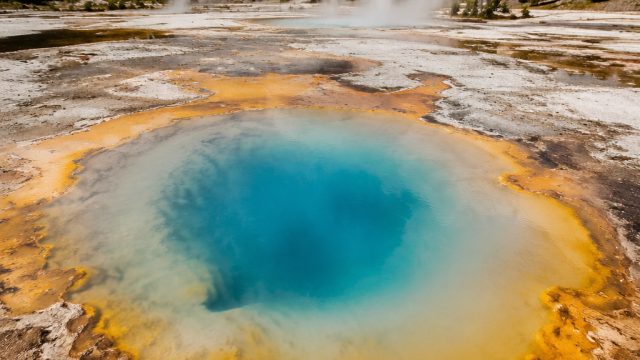
Yellowstone National Park, renowned for its stunning geothermal features, has recently experienced another hydrothermal explosion, sparking interest and concern among park officials and visitors alike. On June 13, 2026, a significant event unfolded when a hydrothermal explosion created a large crater, approximately 20 feet in diameter, filled with boiling water. This explosive occurrence not only adds a new thermal pool to Yellowstone's geological landscape but also prompts discussions about the safety of the park's visitors and the broader ecosystem.
The Event and Its Implications
The hydrothermal explosion occurred at the Biscuit Basin area, which is known for its vibrant thermal springs and geysers. Such events, while fascinating from a geological perspective, serve as a reminder of the unpredictability of nature. The United States Geological Survey (USGS) reported that the explosion resulted in significant geological changes in the area, raising questions about future activities and the stability of surrounding geothermal features.
Understanding Hydrothermal Explosions
Hydrothermal explosions occur when superheated water beneath the Earth's surface rapidly turns to steam. This process can happen due to various factors, such as increased geothermal activity or a sudden drop in pressure in a hydrothermal system. The aftermath of these explosions can lead to the formation of new thermal pools, which contribute to the park's unique ecosystem.
- Formation of New Features: The explosion has created a new thermal pool, altering the landscape.
- Geological Monitoring: The event underscores the importance of continuous monitoring by geological experts.
- Visitor Safety: Park officials stress the need for caution in geothermal areas, emphasizing safety protocols for visitors.
What This Means for Yellowstone's Ecosystem
With the formation of a new thermal pool, scientists are keenly observing how this change will affect the local ecosystem. Thermal pools are hotspots for unique microbial life, and changes in their conditions can influence the biodiversity of the area. Additionally, hydrothermal activity can impact the water chemistry in nearby rivers and lakes, which are critical habitats for various species.
Potential Changes in Biodiversity
The new thermal pool may introduce new species of thermophilic bacteria and other microorganisms. These organisms thrive in extreme conditions, contributing to the dynamic balance of Yellowstone's ecosystem. Researchers are eager to study how these microorganisms interact with existing life forms and whether they will alter the habitat significantly.
- New Species Discovery: Scientists expect to find new organisms adapted to the new thermal conditions.
- Impact on Existing Life: Changes in water chemistry may influence fish and other aquatic species.
- Long-term Monitoring: Ongoing research will be crucial to understanding these ecological shifts.
Visitor Awareness and Safety Measures
As hydrothermal activity continues in Yellowstone, park officials are emphasizing the need for visitor awareness. Hydrothermal features can be unpredictable, and safety should always be a priority. Signs are posted around thermal areas, warning visitors to stay on designated paths and to maintain a safe distance from thermal features.
Education and Safety Initiatives
Yellowstone National Park is committed to educating visitors about the risks associated with geothermal areas. Public safety initiatives include:
- Guided Tours: Expert-led tours that inform visitors about geothermal activity and safety protocols.
- Informational Signage: Comprehensive signs explaining the dangers and features of thermal areas.
- Visitor Centers: Accessible resources for guests to learn about geothermal phenomena and safety measures.
Conclusion
The recent hydrothermal explosion at Yellowstone National Park serves as both a spectacle of nature and a call to vigilance. As park officials and researchers assess the situation, the focus remains on ensuring visitor safety while fostering an understanding of the dynamic geological processes at play. With continued monitoring and education, Yellowstone can remain a safe and fascinating destination for all who seek to explore its natural wonders.
 Global Jewelry Trade Shows: A
Trends in Custom Jewelry Manuf
Effective Strategies for B2B J
Building Strong Relationships
Global Jewelry Trade Shows: A
Trends in Custom Jewelry Manuf
Effective Strategies for B2B J
Building Strong Relationships
Please contact us with your request
We are ready to answer your questions.