
UN Nuclear Inspector Visits: A New Era in Iran-US Relations? | upin ipin sunat sakit ke, luckybet89
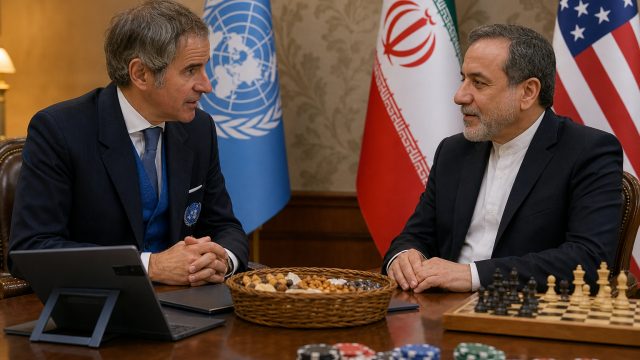
The recent announcement of UN inspectors' planned visits to Iran's nuclear facilities under a new US deal signifies a pivotal moment in international diplomacy. As tensions surrounding nuclear proliferation heighten, understanding the motivations and implications of this development is crucial for businesses and governments alike.
The Context of Nuclear Inspections
In the past, nuclear inspections in Iran have been a contentious issue, often marred by disagreement between Tehran and Western powers, particularly the United States. The US has pursued a policy of stringent oversight to ensure that Iran's nuclear activities remain peaceful, while Iran has frequently denied any allegations of misconduct. Recent developments suggest a shift in this tense dynamic, as Iran appears open to welcoming inspectors once more.
Why This Matters Now
The timing of these visits could not be more critical. With global concerns over nuclear capabilities intensifying, the return of international oversight aims to build trust and transparency. This situation is particularly significant given the current geopolitical climate, where instability in the Middle East can have far-reaching effects on international trade and commerce.
The Role of the US in the Deal
Under the terms of the new agreement, the US has committed to a more collaborative approach in engaging with Iran. This marks a departure from previous policies and highlights a potential willingness to negotiate on complex issues that have previously led to severe economic sanctions and diplomatic isolation for Iran.
- Enhanced Oversight: Regular inspections could ensure compliance and address concerns of nuclear weapons development.
- Building Trust: Increased transparency may foster a more cooperative atmosphere in international relations.
- Economic Repercussions: Improved relations could open avenues for trade and investment, particularly in sectors affected by sanctions.
Potential Challenges Ahead
Despite the optimistic outlook, several hurdles remain. Both parties have a history of miscommunication and mistrust that could complicate the implementation of this deal. Moreover, domestic political pressures in both nations may hinder progress, as hardliners could exploit any perceived concessions.
What This Means for Global Relations
The return of UN inspectors to Iran's nuclear sites could pave the way for renewed diplomatic efforts not just between Iran and the US, but also involving European nations and other global powers. The international community is closely monitoring how this situation unfolds, as it could set a precedent for future negotiations on nuclear disarmament and non-proliferation.
The Broader Global Implications
Iran's nuclear program has implications that extend far beyond its borders. Countries around the world are watching closely, as the outcome of these inspections could influence regional security dynamics and global trade. For businesses engaged in international markets, understanding these developments is essential.
- Trade Dynamics: A more stable Iran could lead to increased economic participation in global markets.
- Security Concerns: Businesses need to be aware of how geopolitical tensions can affect their operations.
- Investment Opportunities: Companies may find new markets in Iran as sanctions are lifted.
Conclusion: Keeping a Close Eye on Developments
As the situation continues to evolve, it is essential for stakeholders in the jewelry and export industries to stay informed about these developments. The return of UN inspectors to Iran's nuclear sites under a US deal not only signifies a potential thaw in relations but also poses opportunities and challenges for businesses operating within the international realm. By closely monitoring these events, exporters can better navigate the changing landscape and strategize accordingly.
 Understanding International Pa
Unlocking Global Trade: Your G
Navigating the B2B Jewelry Sup
The Benefits of Joining a Jewe
Understanding International Pa
Unlocking Global Trade: Your G
Navigating the B2B Jewelry Sup
The Benefits of Joining a Jewe
Please contact us with your request
We are ready to answer your questions.