
Electricity Crisis in Crimea: Recent Drone Strikes Impact Power Supply | ufc picks tonight, slot yang bisa deposit 1000, nas4d
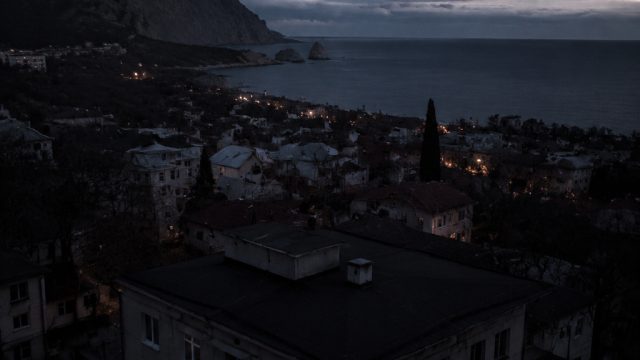
Last night, Crimea experienced significant turmoil as Ukrainian drone attacks targeted various military installations across the peninsula. One of the most notable strikes hit the thermal power plant in Kerch, which has led to widespread electricity outages in the region. This development raises critical questions about the ongoing conflict and its implications for local residents and the broader geopolitical landscape.
The Impact of the Kerch Power Plant Strike
The Kerch thermal power plant, a vital energy source for the region, was severely damaged in the drone attacks. Reports indicate that a large section of Crimea was left without electricity following the strikes, highlighting the vulnerability of key infrastructure in the area. This incident not only underscores the effectiveness of Ukrainian military operations but also reveals the precarious situation for civilians living under occupation.
Immediate Consequences for Residents
- Widespread power outages across Crimea.
- Disruption of essential services and daily activities.
- Heightened anxiety and uncertainty among residents.
As electricity remains a critical necessity for everyday life, the loss of power has immediate repercussions for residents in Crimea. Many families are now facing challenges in accessing basic necessities, leading to increased distress and instability in the region.
Strategic Significance of the Drone Strikes
The recent drone strikes on military targets are part of a broader strategic effort by Ukraine to weaken the Russian military presence in occupied territories. By targeting infrastructure that supports military operations, Ukrainian forces aim to disrupt supply lines and diminish the invaders' capacity to maintain control over the region.
Potential Military Outcomes
As the conflict evolves, the effectiveness of such drone strikes could lead to:
- Increased military pressure on Russian forces.
- Potential shifts in tactics by both sides in response to evolving conditions.
- A call for reinforcements and heightened defenses by Russian military leadership.
The strategic implications of these attacks extend beyond immediate military outcomes; they may also reshape the dynamics of international support and response to the conflict.
A Turning Point for Regional Stability?
The implications of the electricity crisis and ongoing military engagement in Crimea go beyond the battlefield. The disruption of daily life for civilians and the potential for escalating hostilities indicate that the situation remains fragile. Observers are keenly watching how these developments could affect regional stability and international relations.
Global Reaction and Future Implications
As the world reacts to the ongoing crisis, several key factors will play a role in shaping future developments:
- The response of international communities and governments to support Ukraine.
- Potential shifts in local public sentiment towards occupying forces.
- Future military strategies employed by both Ukrainian and Russian forces.
Understanding these dynamics is critical for anticipating how the conflict may evolve in the coming months. With the potential for further escalation, stakeholders involved in the region must remain vigilant.
Conclusion: The Road Ahead for Crimea
The recent strikes on the Kerch thermal power plant illustrate the ongoing volatility and complexity of the situation in Crimea. As residents grapple with electricity shortages and the implications of military actions, the international community is urged to pay close attention to the developments that unfold. The electricity crisis is not just a local issue; it reflects broader themes of conflict, resilience, and the quest for stability in a tumultuous region.
 Harnessing the Power of Social
Building Long-Lasting Partners
Innovation Meets Tradition: Th
Maximizing Profit Margins: Who
Harnessing the Power of Social
Building Long-Lasting Partners
Innovation Meets Tradition: Th
Maximizing Profit Margins: Who
Please contact us with your request
We are ready to answer your questions.