
Reevaluating Gender Representation in Space Exploration: An Urgent Discussion | rtp gacor, bolagila judi togel, free betting sites no deposit
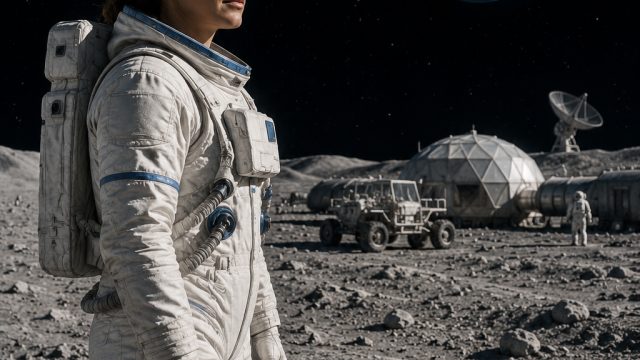
The recent announcement of an all-male crew for NASA's Artemis III mission has ignited significant debate regarding gender representation in space exploration. As the space agency prepares for a critical lunar mission, the decision has raised questions about the inclusivity of such programs, especially at a time when diversity is an essential focus across various industries.
The Context Behind the Crew Selection
The Artemis program aims to return humans to the Moon and eventually prepare for Mars exploration. In this context, selecting a crew is not only about expertise but also about setting a precedent for future missions. The all-male lineup for Artemis III has sparked backlash, highlighting the need for a more inclusive approach in selecting crew members for missions that will pave the way for humanity’s future in space.
Understanding Public Sentiment
Public reaction to the Artemis III crew selection has been mixed, with many expressing disappointment over the absence of female astronauts. Supporters of gender diversity argue that representation matters, particularly in fields traditionally dominated by one gender. The current discourse emphasizes the importance of involving women in significant roles to inspire future generations and reflect society's diversity.
The Importance of Diverse Perspectives
Integrating diverse perspectives is not only a matter of equity but can also enhance the success of missions. Diverse teams are known to foster creativity and innovation, which are crucial for tackling the complex challenges of space exploration. As NASA gears up for its missions, understanding how varied backgrounds contribute to problem-solving is essential.
Lessons from Past Missions
- Historical Representation: Past missions have seen limited female representation, yet women have excelled in roles outside the cockpit, shaping mission outcomes significantly.
- Innovative Solutions: Diverse teams have historically led to groundbreaking solutions during critical mission phases.
- Cultural Impact: Including women in space exploration not only inspires future astronauts but also serves as a catalyst for change in STEM fields.
Next Steps for NASA and the Space Community
In response to the backlash, NASA must evaluate its crew selection processes. Future missions could benefit from a more transparent selection framework that considers gender diversity as an integral part of mission planning. Engaging with the public, particularly young women, about career opportunities in space could also help shift perceptions and encourage a broader range of applicants.
Creating a Path Forward
To foster a more inclusive environment within NASA and the wider aerospace community, several steps can be taken:
- Outreach Programs: Expand outreach initiatives aimed at educating young girls about careers in space exploration and STEM.
- Mentorship Opportunities: Establish mentorship programs connecting aspiring female astronauts with experienced professionals in the field.
- Policy Revisions: Review and revise selection policies to ensure they actively promote diversity.
Conclusion: The Time for Change is Now
The controversy surrounding the all-male Artemis III crew serves as a wake-up call for the space sector. As we look toward the future, it’s crucial to embrace diversity not just as a checkbox, but as a fundamental element of mission success. This conversation is more than a response to a single event; it’s about shaping the future of exploration in a way that is inclusive and equitable for all. Embracing varied perspectives will not only enhance the effectiveness of missions but will also inspire the next generation to reach for the stars.
 Jewelry Export Market Insights
Harnessing Technology in B2B J
Global Trends Shaping the Jewe
The Rise of Ethical Jewelry: A
Jewelry Export Market Insights
Harnessing Technology in B2B J
Global Trends Shaping the Jewe
The Rise of Ethical Jewelry: A
Please contact us with your request
We are ready to answer your questions.