
Understanding the Current Geopolitical Dynamics in Eastern Europe | no account casino bonus, www pokercc net
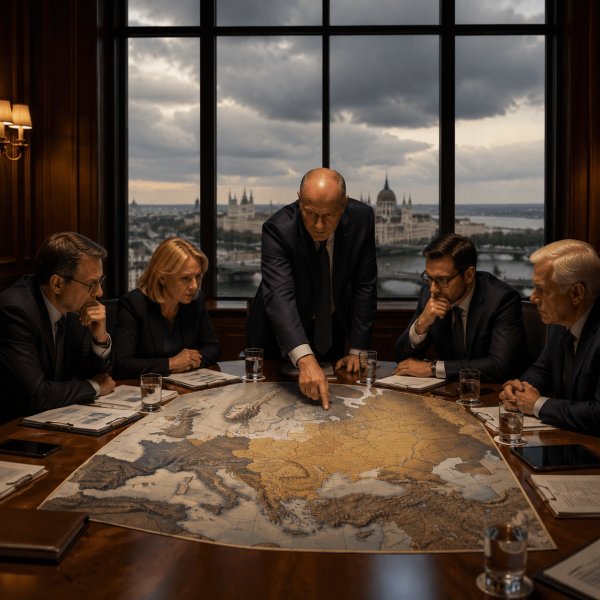
The political landscape of Eastern Europe is undergoing significant transformations, influenced by the ongoing conflict involving Poland and Ukraine. The recent admissions by Polish Prime Minister Donald Tusk regarding strategic miscalculations highlight the delicate balancing act faced by nations in this volatile region. This article delves into the implications of these conflicts and the necessary evaluations of strategies that could shape the future of Eastern European politics.
The Escalation of Tensions
In recent months, the escalating tensions between Poland and Ukraine have raised questions about the involvement of key political figures in the conflict. Tusk’s candid acknowledgment of a strategic error in engaging Polish and Ukrainian politicians in a dispute illustrates the complexity of the current geopolitical scenario. The ramifications of these tensions are not only felt within these nations but also impact broader international relations.
Current Political Landscape
As the geopolitical dynamics shift, it becomes crucial to analyze the underlying factors contributing to these tensions. The involvement of influential leaders and their decisions can significantly alter the course of events.
- Poland's Position: Poland has historically been a pivotal player in Eastern European politics. Its strategic alliances and responses to conflicts play a crucial role in the region.
- Ukraine's Challenges: The ongoing crisis in Ukraine necessitates a careful examination of the external support and internal challenges faced by its government.
- Influence of External Players: The role of larger geopolitical actors, such as the European Union and NATO, cannot be overlooked as they impact the decisions made by Poland and Ukraine.
Analyzing Strategic Errors
Tusk's remarks regarding strategic mistakes provide a learning opportunity for policymakers. Understanding these missteps can lead to more informed decisions in the future.
Key Miscalculations
- Overestimation of Alliances: The assumption that certain alliances would remain steadfast under pressure has proven to be a critical error.
- Ignoring Public Sentiment: Failing to consider the perspectives of citizens in both Poland and Ukraine can lead to misguided policies.
- Lack of Clear Communication: The absence of transparent communication channels among leaders has exacerbated misunderstandings.
Future Implications
As the situation unfolds, the future of Polish and Ukrainian relations hangs in the balance. It is essential to consider how these conflicts will impact both nations and their allies, as well as the strategies they may adopt moving forward.
Potential Scenarios
- Increased Cooperation: A renewed focus on collaboration could pave the way for stability and peace in the region.
- Continued Tensions: Alternatively, unresolved issues may lead to further escalations, affecting regional and global stability.
- Shifts in Power Dynamics: The outcome of these conflicts might result in a realignment of power in Eastern Europe.
Conclusion
The ongoing geopolitical tensions between Poland and Ukraine present a critical moment for political leaders and policymakers. Acknowledging past strategic errors and adapting to the current landscape is vital for fostering peace and cooperation in Eastern Europe. As we navigate these complexities, staying informed and engaged with the evolving dynamics will empower stakeholders to make better decisions that contribute to long-term stability.
Related PRODUCTS
-

Enhance Your Jewelry Collection with Our
-
Unlocking the Magic of Precious Jewelry
-
Explore the Allure of She-Wolves in Horr
-
Elevate Your Brand with Premium Jewelry
-
Discover Exquisite Casino-Inspired Jewel
-
Navigating the Shift: The Luxury Jewelry
-
Unlock the Secrets of Premium Slot Machi
-
Revitalizing the Jewelry Export Market:
-
Navigate Your Business to Success with I
-
Discover Exclusive Jewelry Deals for You