
Understanding the Dynamics of Ukraine's EU Membership Aspirations | kpk4d, ggwp88
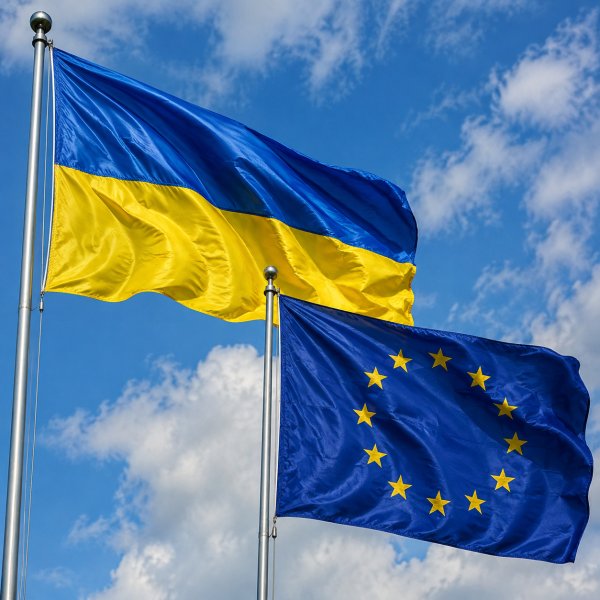
As the geopolitical landscape continues to shift, the conversation surrounding Ukraine's potential accession to the European Union has intensified. This topic not only affects Ukraine but has significant repercussions for neighboring countries, particularly Poland. Recent comments from Polish leader Karol Nawrocki have sparked discussions about the perceived threats that Ukraine's EU membership could pose to Polish agriculture. This article aims to dissect these concerns, the current state of Ukraine's EU negotiations, and the broader implications for the region.
The Road to EU Membership for Ukraine
Ukraine's journey towards EU membership has been a complex and multifaceted process. Following its independence in 1991, Ukraine has sought closer ties with Western Europe, culminating in its 2014 Association Agreement with the EU. This agreement paved the way for deeper political and economic integration with European markets, but the road ahead remains fraught with challenges.
Current Status of Accession Talks
- Candidate Status: Ukraine was granted candidate status in June 2022, a significant milestone in its EU aspirations.
- Reforms Required: The EU has outlined key reforms Ukraine must undertake, particularly in governance, anti-corruption measures, and economic stability.
- Support from EU Members: Some EU members strongly support Ukraine's accession, while others express caution regarding its readiness and potential impacts on EU cohesion.
Poland's Concerns About Agricultural Impact
As discussions around Ukraine's EU membership heat up, Polish leader Karol Nawrocki has voiced concerns regarding the potential threats to Polish agriculture. These fears are primarily centered on increased competition from Ukrainian agricultural products once they gain access to the EU market.
Understanding the Agricultural Landscape
- Ukrainian Export Capacity: Ukraine is one of the world's largest agricultural producers, with vast arable land and significant export capabilities.
- Polish Agriculture: Poland's agricultural sector is vital to its economy, and any influx of cheaper Ukrainian products could disrupt local markets.
- Market Dynamics: The EU's single market allows free movement of goods, which could lead to increased imports from Ukraine, impacting Polish farmers.
The Broader Geopolitical Implications
The conversation around Ukraine's EU membership extends beyond agriculture. It touches on broader geopolitical dynamics affecting regional stability and economic cooperation within Europe.
Strengthening European Unity
- EU Cohesion: Integrating Ukraine could either strengthen or strain the EU's unity, depending on how member states respond to economic challenges.
- Security Considerations: Ukraine's membership could enhance security cooperation within the EU, particularly in response to regional threats.
- Economic Opportunities: A stronger Ukraine could lead to new economic partnerships and opportunities for EU member states, including Poland.
Conclusion: A Future Full of Possibilities
The path to EU membership for Ukraine is laden with challenges, particularly concerning its implications for Poland and its agricultural sector. As leaders like Karol Nawrocki voice their concerns, it is essential to navigate this complex situation with a balanced perspective, recognizing both the opportunities and challenges that lie ahead. The future of Ukraine's EU aspirations is still unfolding, and the dialogue surrounding this issue will continue to shape the geopolitical landscape in Europe.
Related PRODUCTS
-

Celebrate America's Legacy with Stunning
-
Essential Foods for Reducing Dementia Ri
-
Unbeatable Jewelry Deals You Can't Miss
-
Micron's Rise: A New Era for Profit Marg
-
Discover the Power of Elegance with Inda
-
Urgent Aircraft Diversion: A Pilot's Hea
-
Elevate Your Brand with Custom Jewelry M
-
Elevate Your Brand with Exquisite Wholes
-
Elevate Your Jewelry Game with Exclusive
-
Unveiling the Future of Ghostbusters: Ni