
U.S. Lifts Sanctions on Iran: Implications for Global Trade and Oil Markets | pokerclub88me, trivabet daftar, situs slot 97
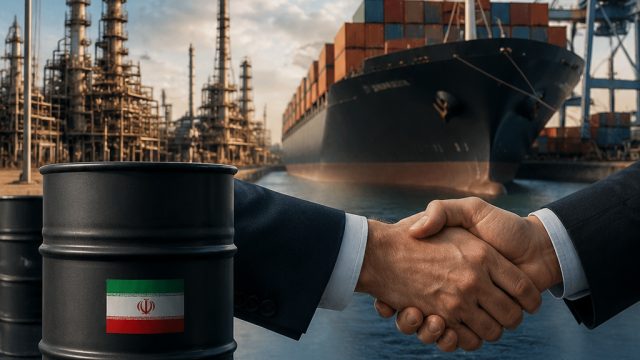
U.S. Lifts Sanctions on Iran: Implications for Global Trade and Oil Markets
In a surprising move, the United States has decided to waive sanctions on Iran's oil exports, a development that is poised to significantly alter the landscape of global oil trade. As Tehran eagerly positions itself to capture new markets, various stakeholders are left to ponder the broader economic ramifications. This decisive action underscores a critical moment in international relations and trade policy that demands attention.
Background of U.S. Sanctions on Iran
The U.S. has a long history of imposing sanctions on Iran, particularly regarding its oil industry, which is a crucial pillar of the Iranian economy. These sanctions have aimed to curb Tehran's nuclear ambitions and influence in the Middle East. However, the recent decision to lift these restrictions marks a pivotal shift in U.S. foreign policy and has the potential to unlock billions in revenue for Iran.
The Motivations Behind the Sanctions Waiver
Several factors have contributed to the U.S. government's decision:
- Geopolitical Strategy: The U.S. may be seeking to stabilize the region and avoid escalating tensions that could affect global oil prices.
- Negotiating Power: By lifting sanctions, the U.S. may be positioning itself better for future negotiations with Tehran regarding its nuclear program.
- Market Dynamics: With rising energy demands globally, this waiver may be a strategic move to influence the balance between supply and demand in the oil market.
The Immediate Economic Impacts
The lifting of sanctions is likely to have immediate and profound economic implications for both Iran and the global oil market:
Increased Oil Supply from Iran
As Iran ramps up its oil production and seeks to regain its former market share, the influx of Iranian oil into the market could lead to lower prices for consumers. This could also alleviate some pressure on countries facing energy shortages.
Effects on Oil Prices
Analysts predict that the introduction of Iranian oil will affect global oil prices in several ways:
- Short-term price fluctuations as markets adjust to the new supply.
- Potential downward pressure on prices, benefiting consumers and industries dependent on oil.
- Long-term implications for OPEC and other oil-producing nations as they strategize in response to increased competition.
Global Trade Reactions
Internationally, the reaction to the U.S. decision is varied:
Reactions from Major Oil Importers
Countries like China and India, which have been historically key importers of Iranian oil, are likely to re-engage with Tehran, taking advantage of the renewed oil supply. This could lead to:
- Strengthened Bilateral Relations: A deeper economic partnership with Iran could lead to increased trade beyond oil.
- Market Competition: Importers may benefit from competitive pricing and contracts as Iran re-enters the market.
Concerns Over Regional Stability
While the lifting of sanctions may provide economic benefits, it could also reignite concerns over regional stability. The U.S. must balance its support for increased trade with Iran against the potential for escalating tensions in the Middle East.
Long-term Considerations
As Iran moves to capitalize on the sanctions waiver, several long-term considerations come to the forefront:
Impact on Environment and Energy Transition
The renewed focus on oil production raises questions about the environmental implications. With the world moving towards cleaner energy, Iran's re-emergence in the oil market may affect global energy transition timing.
Future of U.S.-Iran Relations
The sanctions waiver could either pave the way for improved relations or create new tensions, depending on how both nations navigate subsequent agreements. Monitoring these developments will be critical for businesses and governments alike.
Conclusion
The U.S. decision to lift sanctions on Iranian oil exports marks a significant moment in global trade and oil markets. As Iran prepares to re-enter the market, the implications for oil supply, pricing, and international relationships are profound. Stakeholders must remain vigilant, as developments in this area will have far-reaching consequences not only for the Middle East but for economies worldwide. The unfolding situation demands our attention as the global landscape continues to shift.
 Maximizing Your B2B Jewelry Bu
The Art of Wholesale Jewelry:
Transforming B2B Jewelry Suppl
Revolutionizing B2B Jewelry Ex
Maximizing Your B2B Jewelry Bu
The Art of Wholesale Jewelry:
Transforming B2B Jewelry Suppl
Revolutionizing B2B Jewelry Ex
Please contact us with your request
We are ready to answer your questions.