
Urgent Measures Implemented as H5N1 Bird Flu Threatens Wildlife in Australia | pengaturan sistem maxwin orang dalam, slot depo 20 bonus 30 to 5x
Urgent Measures Implemented as H5N1 Bird Flu Threatens Wildlife in Australia
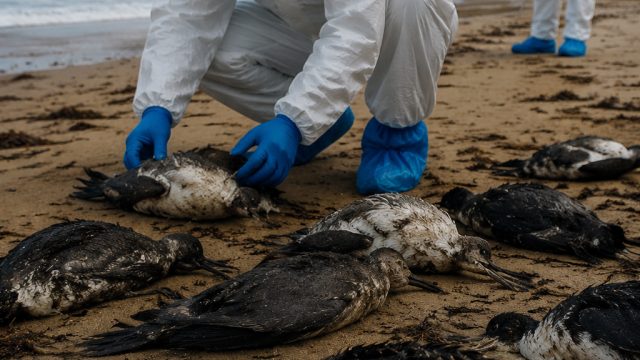
In a concerning development for Australia's wildlife and poultry industries, a second wild bird has been confirmed dead from the H5N1 bird flu virus. This incident has triggered immediate lockdown measures across various poultry farms in Western Australia, as authorities scramble to contain the potential spread of this highly pathogenic avian influenza.
The H5N1 Bird Flu Situation in Australia
The recent deaths of brown skuas and giant petrels have raised alarms among scientists and wildlife officials, indicating a possible escalation in the threat posed by H5N1. These birds, which are not commonly found on land, were discovered on the shores of Western Australia, prompting fears of adverse effects on both wildlife and the poultry sector.
What is H5N1 Bird Flu?
H5N1 is an avian influenza virus that can infect both wild and domestic birds. It is known for its high mortality rates and poses a significant risk to poultry production worldwide. The recent cases in Australia highlight the importance of monitoring and controlling outbreaks to protect the agricultural industry.
Impact on Poultry Farms
The lockdown of poultry farms is a critical response aimed at preventing the virus's spread among domestic birds. Farmers are urged to implement strict biosecurity measures, including:
- Restricting access to farms.
- Regular health checks on birds.
- Immediate reporting of any unusual bird deaths.
These measures are designed to mitigate the risk of transmission and to safeguard the poultry industry, which is essential for food supply and economic stability.
Why This Matters Now
With H5N1 confirmed in Australia, the urgency to act is paramount. Previous outbreaks have led to significant declines in poultry populations, increased food prices, and economic strain on farmers. The Australian poultry industry, valued at billions, is particularly vulnerable. The swift action taken now can help avert a crisis that could have long-lasting repercussions.
Protecting Wildlife and Biodiversity
In addition to the poultry industry's concerns, the impact on wildlife cannot be overlooked. The deaths of these seabirds signal a broader ecological threat. Protecting native species and preserving biodiversity must be a priority in the face of this outbreak. Scientists emphasize the need for conservation efforts and thorough research on the ecological implications of avian influenza.
Community Involvement and Awareness
Local communities play a vital role in combating the spread of H5N1. Awareness campaigns that educate the public about the virus and its transmission can foster better reporting and response efforts. Engaging with wildlife enthusiasts, farmers, and local organizations can enhance surveillance and promote preventive measures.
Looking Ahead: Strategies for Prevention
As the situation develops, experts recommend the following strategies for effective prevention:
- Enhanced surveillance of wild bird populations.
- Cooperation among farmers to share information and resources.
- Investment in vaccines and treatment options for domestic poultry.
- Continuous research into avian influenza to stay ahead of potential outbreaks.
By prioritizing these strategies, Australia can strengthen its defenses against H5N1 and protect both its wildlife and agricultural interests.
Conclusion
The emergence of H5N1 bird flu in Australia underscores the urgent need for coordinated efforts to manage this public health and agricultural threat. As authorities take decisive action, it is crucial for communities, scientists, and farmers to work together to mitigate risks and ensure the health of both wildlife and the poultry industry. Ongoing vigilance and proactive measures will be key in navigating this challenging situation.
 Maximizing Your B2B Jewelry Bu
The Art of Wholesale Jewelry:
Transforming B2B Jewelry Suppl
Revolutionizing B2B Jewelry Ex
Maximizing Your B2B Jewelry Bu
The Art of Wholesale Jewelry:
Transforming B2B Jewelry Suppl
Revolutionizing B2B Jewelry Ex
Please contact us with your request
We are ready to answer your questions.