
Ebola Outbreak in DR Congo: Urgent Need for Action to Protect Youth | m royal188, diantara kalian, abcd 4d
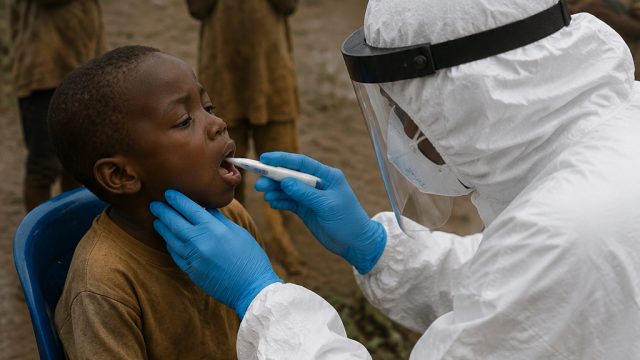
Ebola Outbreak in DR Congo: Urgent Need for Action to Protect Youth
The Democratic Republic of the Congo (DRC) is grappling with a severe Ebola outbreak, which has surpassed 1,000 confirmed cases within just the first month. This alarming surge has raised significant concerns, especially for the vulnerable population of children and adolescents, totaling nearly three million at risk. The urgent situation calls for immediate action and awareness from global health organizations and local authorities.
Understanding the Current Situation
The recent spike in Ebola cases in DRC emphasizes the need for rapid response measures to curb the outbreak. According to the World Health Organization (WHO), this outbreak has become one of the most severe in Africa, with a staggering number of infections reported in such a short timeframe. This situation poses not only a health crisis but also a humanitarian challenge, particularly affecting the younger demographic.
Immediate Health Risks for Children
The impact of the Ebola virus on children is profound, given their vulnerability to infectious diseases. With the ongoing outbreak, thousands of young lives are at stake. UNICEF has highlighted the urgent need for protective measures, including vaccination and health education, to safeguard these children from contracting the virus. Here are some critical points regarding their risks:
- Children are more susceptible to severe illness from Ebola.
- Many are displaced, lacking access to basic healthcare and nutrition.
- Educational disruptions due to health crises lead to long-term developmental setbacks.
The Role of Health Organizations
International health organizations, including UNICEF and WHO, have mobilized resources to combat the spread of Ebola in the affected regions. Their strategies involve testing, tracing, and vaccination drives, which are essential to contain the outbreak. However, these efforts must be complemented by local community engagement to be fully effective.
Community Engagement and Awareness
Local communities play a pivotal role in managing health crises. Educating families about Ebola transmission and prevention can significantly mitigate risks. Here are essential strategies for community engagement:
- Conducting informational campaigns about symptoms and prevention.
- Involving community leaders to foster trust and compliance.
- Establishing support groups for those affected or at risk.
The Global Responsibility
The international community has a profound responsibility to assist DRC during this health crisis. As cases continue to rise, the need for global solidarity becomes increasingly critical. Countries must coordinate efforts to provide medical assistance, financial support, and educational resources to safeguard the health of children and adolescents in the region.
Why This Matters Now
The urgency of addressing the Ebola outbreak cannot be overstated. Every day without adequate intervention places millions of children at further risk. This situation serves as a reminder of the interconnectedness of global health and the need for timely action. Collaboration across borders can lead to breakthroughs in public health and ensure the safety of vulnerable populations.
Conclusion: A Call to Action
As we witness the rapid escalation of the Ebola outbreak in DRC, it is imperative for individuals, organizations, and governments to unite in a concerted effort to protect children and adolescents. By understanding the risks and advocating for immediate support and intervention, we can help mitigate the impact of this crisis. The time to act is now—let’s come together to safeguard the future of millions of young lives.
 Maximizing Your B2B Jewelry Bu
The Art of Wholesale Jewelry:
Transforming B2B Jewelry Suppl
Revolutionizing B2B Jewelry Ex
Maximizing Your B2B Jewelry Bu
The Art of Wholesale Jewelry:
Transforming B2B Jewelry Suppl
Revolutionizing B2B Jewelry Ex
Please contact us with your request
We are ready to answer your questions.