
Critical Events of 1779: A Turning Point in the Revolutionary War | papago s1 apk, lucky77 org
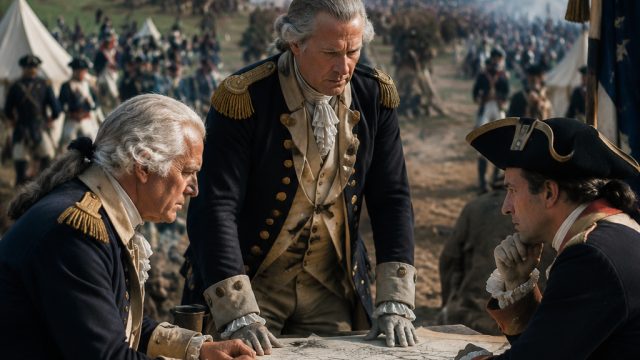
The year 1779 marked a significant chapter in the American Revolutionary War, filled with key military actions and strategic developments that would influence the course of the conflict. Understanding these events is essential for grasping the broader narrative of American independence and the various forces at play during this tumultuous time.
Significant Military Engagements
Throughout 1779, various military operations unfolded across the Thirteen Colonies, shaping the strategies of both the American forces and the British Empire. Notably, the engagements in the southern theater showcased the resolve of the American patriots against formidable British forces.
Siege of Savannah
One of the most notable events occurred during the Siege of Savannah, which began in late 1779. This strategic stronghold was essential for controlling the southern colonies. The British had fortified their position, making it a critical target for American and French forces aiming to regain control.
- Date: September 16 - October 18, 1779
- Forces Involved: British Regulars, French Expeditionary Forces, Continental Army
- Outcome: British retention of Savannah despite significant efforts by American allies
Impact of the Siege
The failed siege had profound implications:
- It demonstrated the need for better coordination between French and American forces.
- The loss highlighted the challenges faced by the Continental Army in the south.
- It set the stage for future military alliances and strategies in the region.
Naval Engagements and Control of the Waters
Naval strength proved to be an essential element during this period. The British navy sought to dominate key waterways, impacting supply lines and troop movements. The year witnessed several naval skirmishes, emphasizing the importance of maritime control.
Battle of Kaskaskia and Vincennes
Though primarily land battles, these engagements underscored naval support's role in broader military operations. The capture of British-held territories expanded American influence into the Northwest Territory.
- Strategic Importance: Control over the Great Lakes and access routes for resources.
- Key Figures: George Rogers Clark, who led successful campaigns in this theater.
The Role of Native American Alliances
During 1779, Native American tribes played a critical role, often as allies to the British. Their participation influenced various battles, adding complexity to the conflict and shaping territorial control.
Impacts on Strategy
American forces faced the dual challenge of fighting against British troops while also contending with Native American resistance. This dynamic led to:
- Increased military campaigns aimed at securing alliances with other tribes.
- Efforts to negotiate peace treaties post-war to stabilize newly acquired territories.
Conclusions and Ongoing Relevance
The events of 1779 were pivotal in the Revolutionary War, showcasing the intricate interplay of military strategy, foreign alliances, and local dynamics. As historians continue to analyze this year, it becomes clear that the actions taken during this period laid the groundwork for future victories and ultimately, American independence.
Understanding these historical moments is crucial not only for scholars but also for citizens looking to appreciate the complexities of their nation's history. The Revolutionary War was not merely a battle of arms but a profound clash of ideologies, alliances, and the quest for sovereignty—a narrative still relevant in today’s discussions about governance and national identity.
 Maximizing Your B2B Jewelry Bu
The Art of Wholesale Jewelry:
Transforming B2B Jewelry Suppl
Revolutionizing B2B Jewelry Ex
Maximizing Your B2B Jewelry Bu
The Art of Wholesale Jewelry:
Transforming B2B Jewelry Suppl
Revolutionizing B2B Jewelry Ex
Please contact us with your request
We are ready to answer your questions.