
Historic Game: Wichita Monrovians Triumph Over Klan Team in 1925 | demo gates of olympus pragmatic, dotmax99 rtp, jersey la lakers
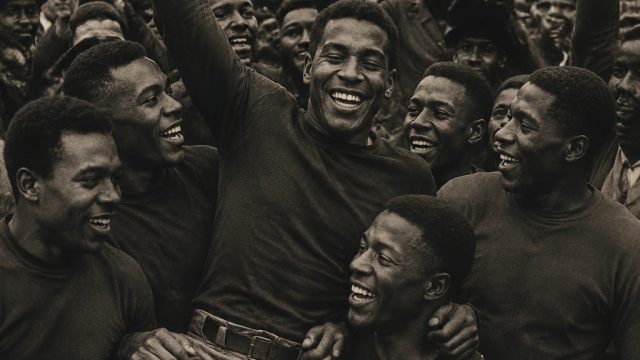
In an event that transcended the sporting world, the Wichita Monrovians, an all-Black semi-professional baseball team, faced off against a team affiliated with the Ku Klux Klan on June 21, 1925. This match, held in Wichita, Kansas, is not merely a footnote in sports history but stands as a significant moment in the fight against racism and prejudice in America.
The Backstory: A Clash of Ideologies
The 1920s were a tumultuous time in America. The nation witnessed a rise in racial tensions and a resurgence of hate groups, with the Ku Klux Klan gaining notoriety. The Klan team not only represented a sporting challenge but also embodied the deep-seated racism prevalent in society at that time. Conversely, the Wichita Monrovians symbolized resilience and the struggle for civil rights, showcasing the talents and unity of Black athletes.
The Wichita Monrovians: A Beacon of Hope
The Monrovians were named after Monrovia, the capital of Liberia, reflecting a connection to African heritage. This team brought together skilled players who not only aimed to win games but also to challenge the stereotypes and barriers faced by Black athletes in a segregated society. The team’s spirit and commitment to excellence set a powerful precedent for future generations.
The Game Unfolds
As the day of the match arrived, spectators from various backgrounds gathered, setting the stage for a game that went beyond mere competition. The Monrovians entered the field with the weight of history on their shoulders. With each pitch and swing, they demonstrated not just their athletic prowess but also their determination to dismantle the oppressive narratives represented by their opponents.
A Defining Moment in Sports History
When the final whistle blew, the Wichita Monrovians emerged victorious. This triumph was more than just a win in the record books; it was a statement. The game resonated with the community and became a symbol of hope and resistance against the racism that pervaded American life. It highlighted the importance of representation in sports and the power of unity.
Community Response and Impact
The aftermath of the game saw an outpouring of support for the Monrovians. Local Black communities celebrated the victory as a significant milestone. This match not only uplifted spirits but also encouraged future athletes to pursue their passion for sports despite facing systemic challenges. The impact of the Monrovians extended beyond the baseball diamond, inspiring movements for equality and justice.
Legacy of the Wichita Monrovians
- Inspiration for future Black athletes
- A testament to the fight against racism
- Promotion of community unity
- Challenge against societal norms of the era
Reflections on Racial Equality in Sports Today
As we reflect on this historic game, it becomes evident that the lessons from the Wichita Monrovians are still relevant today. In an era where issues of racial equality are at the forefront of global discussions, their legacy encourages us to continue advocating for justice within the sports community and beyond. The victories we celebrate today in sports have roots deeply embedded in the struggles of the past.
Connecting Sports to Modern Movements
Today, sports have become a platform for social change, with athletes using their voices to combat racism and promote equality. The Monrovians' victory serves as a reminder of the ongoing journey toward social justice, urging current and future generations to stand against discrimination of all forms.
Conclusion: The Resilience of the Human Spirit
The 1925 victory of the Wichita Monrovians over the Klan baseball team remains a powerful story of resilience and triumph. It highlights the crucial role that sports can play in societal change and the fight for equality. As we celebrate this remarkable event in history, let us carry forward the spirit of the Monrovians and strive for a world where every athlete is valued, respected, and celebrated for their talent, regardless of their background.
 Innovations Transforming the J
The Art of Jewelry Design: Ins
Innovation and Technology: The
The Rise of Custom Jewelry: A
Innovations Transforming the J
The Art of Jewelry Design: Ins
Innovation and Technology: The
The Rise of Custom Jewelry: A
Please contact us with your request
We are ready to answer your questions.