
Navigating the Modern Landscape of International Relations | qq dewi, opsite post op
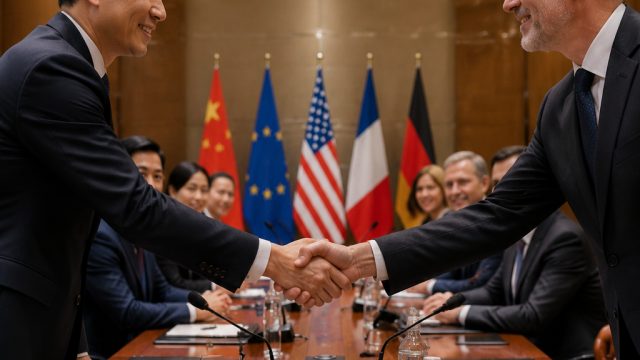
Navigating the Modern Landscape of International Relations
The world of international relations is perpetually evolving, influenced by a myriad of factors such as economic shifts, technological advancements, and changing political ideologies. Today, more than ever, understanding these dynamics is crucial for businesses, governments, and individuals alike. In this article, we delve into the current state of global relations, highlighting significant trends and their implications for the future.
The Impact of Economic Policies on Global Relations
As nations grapple with economic uncertainties, the strategies they employ can significantly affect international relations. The recent fluctuations in trade policies and tariffs provide a perfect example of how economic decisions resonate across borders. Countries are increasingly adopting protectionist measures, leading to volatile trade relations that could impact global supply chains.
The Rise of Protectionism
- Countries are prioritizing domestic industries over international cooperation.
- Tariffs and trade barriers are becoming more common, leading to diplomatic tensions.
- Businesses must navigate these changes to mitigate risks in their operations.
Global Economic Alliances
Conversely, some nations are forming new economic alliances to enhance trade and investment opportunities. These collaborations often lead to stronger diplomatic ties and can serve as a counterbalance to protectionist trends. Engaging in multilateral agreements not only fosters economic growth but also provides a platform for dialogue and conflict resolution.
Technological Advancements and Their Role in Diplomacy
Technology plays a pivotal role in shaping modern diplomacy. Innovations in communication, transportation, and data management have transformed how nations interact and collaborate. The rise of social media, for instance, has changed the landscape of public diplomacy, allowing governments to engage directly with citizens and influence public opinion.
Digital Diplomacy
- Countries are leveraging social media platforms to promote their interests.
- Real-time communication has made diplomatic negotiations more dynamic.
- Cybersecurity remains a top concern as nations protect their digital infrastructures.
The Role of Artificial Intelligence in Global Affairs
Artificial intelligence (AI) is increasingly being utilized in international relations, from predictive analytics to enhance decision-making processes to automating routine diplomatic tasks. AI can facilitate better data analysis, enabling countries to anticipate and respond to global trends more effectively.
Shifting Political Ideologies and Their Effects
The political landscape is undergoing significant changes worldwide. From the rise of populist movements to shifts towards authoritarianism in some regions, these transformations have profound implications for international relations. Countries must adapt to these challenges to maintain stability and foster cooperation.
Populism and Its Global Repercussions
- Populist leaders often adopt isolationist policies that strain international relations.
- The rhetoric surrounding immigration and national sovereignty shapes diplomatic ties.
- Countries must find common ground to address global issues despite these divides.
Authoritarianism and Global Stability
As some nations gravitate towards authoritarian regimes, the international community faces the challenge of addressing human rights violations while maintaining diplomatic relations. Balancing national interests with ethical considerations remains a complex task for global leaders.
Conclusion: The Future of International Relations
The landscape of international relations is continuously shifting, influenced by economic, technological, and political factors. As businesses and governments navigate these complexities, staying informed and adaptable is crucial. The implications of these changes extend far beyond politics; they affect global trade, economic stability, and ultimately, peace. By understanding the current dynamics, stakeholders can better prepare for the future and foster a more cooperative international environment.
 Jewelry Export Market Insights
Harnessing Technology in B2B J
Global Trends Shaping the Jewe
The Rise of Ethical Jewelry: A
Jewelry Export Market Insights
Harnessing Technology in B2B J
Global Trends Shaping the Jewe
The Rise of Ethical Jewelry: A
Please contact us with your request
We are ready to answer your questions.