
Navigating the Impact of Automation on the Workforce: A Call to Action | bet356 casino, aura kasih tumblr, situs slot terpercaya no 1
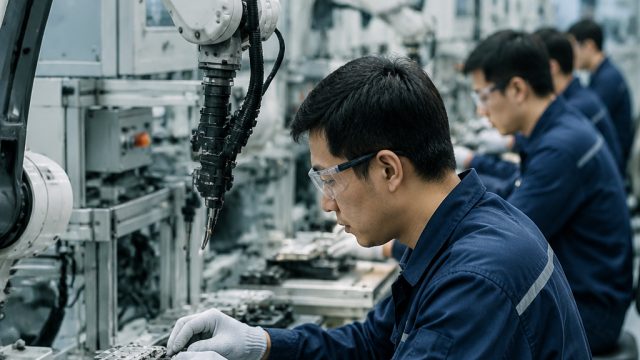
Navigating the Impact of Automation on the Workforce: A Call to Action
As the rapid advancement of technology continues to reshape industries, the conversation surrounding the impact of automation on employment has never been more urgent. With artificial intelligence (AI) and robotics becoming integral components of various sectors, how can governments mitigate the repercussions faced by workers? This article delves into the current landscape and offers strategic insights on adapting to this significant shift.
The Current Landscape of Automation
In recent years, many businesses have adopted automation to enhance efficiency and reduce operational costs. This shift is particularly evident in sectors such as manufacturing, logistics, and even customer service. The integration of AI systems allows companies to streamline processes, but it also raises important questions about job security for millions of employees.
Growing Concerns Over Job Displacement
As machines take over tasks traditionally performed by humans, concerns about job displacement have surged. Reports indicate that automation could displace upwards of 20 million manufacturing jobs worldwide by 2030. This phenomenon is not limited to blue-collar roles; white-collar jobs, including those in finance and retail, are also at risk.
- Increased efficiency often comes at the expense of human labor.
- Workers may lack the skills needed for emerging job roles.
- Economic inequalities may widen as low-skilled jobs vanish.
Government Intervention: A Necessary Strategy
In light of these challenges, proactive government intervention is crucial. Policymakers must develop strategies to safeguard the workforce against the negative impacts of automation. Here are several key areas where intervention can make a significant difference.
1. Upskilling and Reskilling Initiatives
Investing in education and training programs is essential to equip workers with the skills needed in an increasingly automated world. Governments should partner with educational institutions and private sectors to create tailored training programs focusing on high-demand fields such as technology and healthcare.
2. Safety Nets for Displaced Workers
As certain jobs become obsolete, providing financial support to displaced workers can ease the transition. This includes unemployment benefits, job placement services, and mentorship programs to guide individuals through career changes.
3. Promoting Job Creation in Emerging Industries
While automation may eliminate some jobs, it also creates new opportunities in emerging sectors. Governments should actively support industries like renewable energy, AI development, and cybersecurity, which are likely to experience growth in the coming years.
Why This Matters Now
The ongoing discourse regarding automation and its impact on jobs is not merely academic; it is urgent and immediate. As we witness the integration of AI into everyday business processes, the need for a comprehensive response grows more critical. Delay in addressing these issues can lead to economic instability and increased social unrest.
Real-Life Examples
Countries that have proactively addressed automation challenges serve as models for others. For instance, Germany's dual education system—combining classroom instruction with vocational training—has successfully prepared workers for the evolving job market. Similarly, Singapore has invested heavily in reskilling its workforce, ensuring that its citizens remain competitive in high-tech industries.
Conclusion: The Path Forward
As automation continues to transform the workforce landscape, it is imperative for governments and businesses to act swiftly and strategically. By focusing on education, establishing safety nets, and fostering job growth in new sectors, we can create a resilient workforce capable of thriving in an automated future. The time to act is now—let us embrace the challenge of automation and turn it into an opportunity for all.
 Jewelry Export Market Insights
Harnessing Technology in B2B J
Global Trends Shaping the Jewe
The Rise of Ethical Jewelry: A
Jewelry Export Market Insights
Harnessing Technology in B2B J
Global Trends Shaping the Jewe
The Rise of Ethical Jewelry: A
Please contact us with your request
We are ready to answer your questions.