
Germany Explores New Missile Options Amidst Global Tensions | slot park, lagu wali doaku untukmu sayang
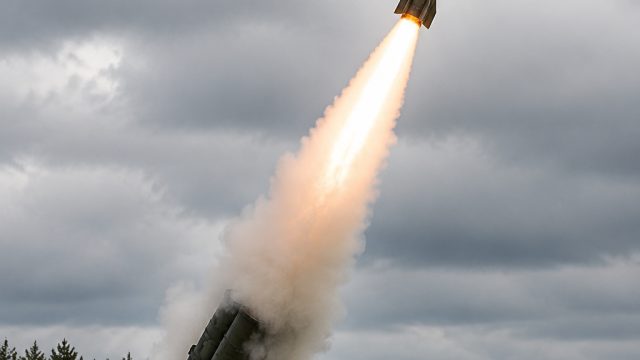
In a significant shift in military strategy, the German Ministry of Defense is evaluating the inclusion of Ukrainian and Israeli cruise missiles as potential substitutes for the American-made Tomahawk in its long-range strike capabilities. This consideration arises amidst escalating geopolitical tensions and reflects Germany's commitment to bolstering its defense arsenal.
Shifting Military Paradigms
The global security landscape is increasingly complex, prompting nations to reassess their military frameworks. Germany, traditionally reliant on American military technology, is now exploring varied sources for its defense needs. The examination of Ukrainian and Israeli cruise missiles represents not only a tactical adjustment but also a shift toward greater self-reliance in military procurement.
The Context of Defense Procurement
As tensions rise in Europe and beyond, many countries are actively seeking to diversify their defense supplies. Germany's outreach to Ukrainian and Israeli missile manufacturers underscores a broader trend of seeking innovative solutions in defense technology. This move is timely, given the ongoing conflicts that have catalyzed a reevaluation of military readiness across Europe.
- Increased Self-Reliance: By diversifying its options, Germany aims to reduce dependency on a single technology provider.
- Strategic Independence: Accessing missiles from multiple sources enhances operational flexibility.
- Technological Advancements: Ukrainian and Israeli firms are known for their cutting-edge developments in missile technology.
Ukrainian and Israeli Missile Capabilities
Both Ukraine and Israel have developed advanced missile systems that could complement Germany's defense strategy. Ukrainian cruise missiles have garnered attention for their effectiveness in modern warfare, while Israel's defense industry is renowned for its innovative military technologies.
Ukrainian Cruise Missiles
Amidst the ongoing conflict, Ukraine has rapidly advanced its defense capabilities, producing a range of missiles that have proven to be effective on the battlefield. These missiles, developed in response to current threats, offer modern warfare solutions for nations seeking to enhance their military strength.
Israeli Defense Technology
Israel’s missile technology is notable for its reliability and precision. The country's defense industry is considered a leader in the field, providing advanced systems that can be integrated into existing frameworks with relative ease. The potential acquisition of these systems could significantly enhance Germany's long-range strike capabilities.
Implications for Global Security
The decision to consider alternative missile systems is not just a tactical maneuver but a strategic recalibration that could impact global security dynamics. As nations adapt to evolving threats, the implications of Germany’s choices could affect military alliances and defense collaborations worldwide.
Potential Strategic Outcomes
- Strengthened Regional Alliances: Germany's partnerships with Ukraine and Israel could lead to strengthened military ties in Europe.
- Influence on NATO Strategies: As a key NATO member, Germany's decisions may influence collective defense strategies within the alliance.
- Global Military Balance: The diversification of missile sources could alter existing power dynamics, prompting other nations to reconsider their military procurement strategies.
Conclusion: A New Era in Defense
Germany's exploration of Ukrainian and Israeli cruise missiles highlights a pivotal moment in its defense strategy. This move towards diversification not only strengthens Germany's military capabilities but also signals a broader trend among nations seeking to adapt to an increasingly uncertain global environment. As Germany continues to evaluate its options, the implications of these choices will likely resonate throughout the international community, shaping future defense initiatives and military collaborations.
 Jewelry Export Market Insights
Harnessing Technology in B2B J
Global Trends Shaping the Jewe
The Rise of Ethical Jewelry: A
Jewelry Export Market Insights
Harnessing Technology in B2B J
Global Trends Shaping the Jewe
The Rise of Ethical Jewelry: A
Please contact us with your request
We are ready to answer your questions.