
Exploring Fool Killer Lore: Insights from March 1914 | warna awan gradasi, slot online minimal deposit 5000, dunia slot 77
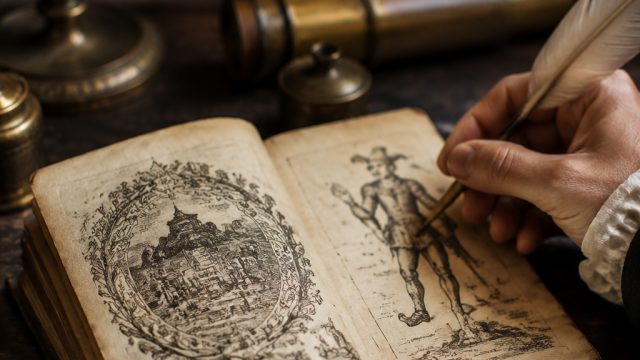
The rich tapestry of historical narratives often features intriguing characters, and among them is the enigmatic Fool Killer. In March 1914, the lore surrounding this figure continued to evolve, revealing a multitude of themes and insights relevant to the societal dynamics of the time. This article delves into the key aspects of Fool Killer lore from that era and explores why it remains significant to contemporary readers.
The Historical Context of Fool Killer
Emerging in the 19th century, Fool Killer's character served as a satirical commentary on societal follies and political absurdities. Each episode of his exploits offered reflections on human nature, often targeting those in positions of power or influence. March 1914 marked a pivotal moment as various social dynamics began to stir, foreshadowing the tumultuous events that would soon alter the global landscape.
Key Themes from March 1914
- Satire and Social Critique: The Fool Killer's narrative often poked fun at political figures and public personalities, a tradition that continues in modern media.
- Foreshadowing Global Events: The themes from this period hinted strongly at the upcoming world conflicts, emphasizing the timeless nature of history's lessons.
- Human Nature and Folly: Exploring the concept of folly, the Fool Killer serves as a reminder of the ongoing struggles humanity faces regarding wisdom and ignorance.
Why Fool Killer Matters Today
In an age where societal critiques are more relevant than ever, Fool Killer's observations resonate deeply. The character's approach to dissecting human behavior and political missteps encourages contemporary audiences to reflect on their own societal structures. As we navigate through our own political and cultural challenges, the lessons from March 1914 serve as a mirror to our current reality.
The Relevance of Satire in Modern Discourse
With the rise of social media and instantaneous news cycles, satire has evolved but remains a powerful tool for commentary. The Fool Killer’s blend of humor and critique fosters a dialogue about the absurdities present in today's world, making it crucial for audiences to engage with such narratives.
A Closer Look at Cultural Impact
Fool Killer's lore has influenced various forms of media, from literature to film and beyond. This character's journey illustrates the power of storytelling in shaping cultural conversations. By examining historical figures like Fool Killer, we can glean insights into the cyclical nature of human behavior and societal change.
How to Engage with Fool Killer Lore
For those interested in exploring Fool Killer more deeply, consider the following avenues:
- Read historical analyses that offer context to Fool Killer's actions and impact.
- Join online discussions or forums dedicated to historical satire and its relevance.
- Watch adaptations that portray Fool Killer's essence through various artistic lenses.
Conclusion: Embracing Historical Insights
As we reflect on Fool Killer lore from March 1914, it becomes clear that historical insights can guide our understanding of the present. The character serves not merely as a relic of the past but as a vital component of ongoing discussions about society, politics, and human nature. Engaging with these narratives allows us to recognize patterns in our own behaviors and encourages a more thoughtful approach to the challenges we face.
In summary, Fool Killer's historical context and the themes derived from March 1914 provoke critical thought, compelling us to engage with our own follies and societal structures. As we continue to explore these insights, we not only celebrate history but also embrace the lessons it imparts for our future.
 B2B Jewelry Trade: How to Find
The Rise of Sustainable Jewelr
Emerging Markets for Jewelry E
Sustainability in Jewelry: A B
B2B Jewelry Trade: How to Find
The Rise of Sustainable Jewelr
Emerging Markets for Jewelry E
Sustainability in Jewelry: A B
Please contact us with your request
We are ready to answer your questions.