
Reflecting on Brexit: A Decade of Economic and Political Shifts | stars 77, slot server thailand heylink
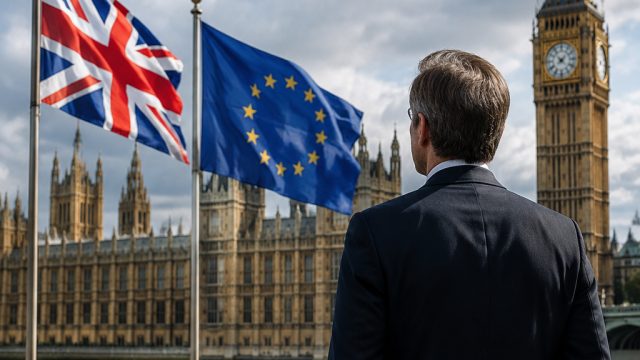
Reflecting on Brexit: A Decade of Economic and Political Shifts
As the United Kingdom marks ten years since the pivotal Brexit referendum, a mix of hope, uncertainty, and stark realities defines this anniversary. The decision to exit the European Union in 2016 heralded a new chapter for Britain, but as we look back, the ramifications are profound and multifaceted. From changes in leadership to economic contractions, this decade has been anything but ordinary.
The Leadership Rollercoaster
In the wake of Brexit, the UK has seen a parade of seven prime ministers. Each leader has faced unique challenges, from negotiating trade deals to managing public sentiment around immigration and national identity. The constant shifting of political figures has led to instability, which has often hampered decisive action.
What Leadership Changes Mean for Policy
The frequent changes at the helm have resulted in inconsistent policies that reflect the varied priorities of each administration. Key policy areas affected include:
- Trade Agreements: The UK has had to establish new trade arrangements globally, shifting focus from EU partnerships.
- Immigration Control: Stricter immigration policies have been implemented, changing the demographic landscape.
- Economic Strategies: Different governments have adopted varied economic approaches, impacting growth rates.
Economic Impacts: The Shrinking Economy
One of the most glaring consequences of Brexit has been the contraction of the UK economy. Recent estimates suggest a reduction of 6% to 8% in GDP compared to pre-Brexit forecasts. This economic downturn is attributed to several factors:
Trade Barriers and Their Consequences
New trade barriers have led to increased costs and complexities for businesses. Exporters and importers have faced:
- Higher tariffs on goods exchanged between the UK and EU.
- Increased bureaucratic red tape, resulting in delays and inefficiencies.
- Uncertainty in supply chains, forcing companies to rethink their logistics.
Impact on Key Industries
Some sectors have felt the impact of Brexit more acutely than others, particularly:
- Manufacturing: Companies have reported a decline in orders due to tariffs and supply chain disruptions.
- Finance: The City of London faces challenges as firms consider relocating to EU financial hubs.
- Agriculture: Farmers have struggled with labor shortages and export challenges.
Demographic Changes: A Shrinking Population
The UK's population has also been affected, experiencing slower growth rates than predicted before Brexit. Factors contributing to this trend include:
Immigration Patterns
The stricter immigration policies have led to:
- A significant drop in EU nationals coming to the UK for work.
- Challenges in filling labor shortages in numerous sectors.
- A demographic shift that may impact economic productivity over time.
Public Sentiment and National Identity
The debate surrounding national identity has intensified, with many citizens expressing concerns over the implications of a changing population. This sentiment may influence future political decisions and policies.
Looking Ahead: The Future of the UK Post-Brexit
As the UK reflects on a decade since Brexit, the path forward remains uncertain. Several key factors will play a role in shaping the future:
Potential for Reassessment of Policies
The government may need to reassess certain policies in light of their long-term impacts. Key considerations include:
- Reevaluating trade agreements to mitigate economic impacts.
- Addressing labor shortages through revised immigration policies.
- Enhancing support for sectors hit hardest by the economic fallout.
The Role of Public Opinion
Public sentiment will be crucial in navigating future political landscapes. As citizens reflect on the outcomes of Brexit, their opinions may drive shifts in policy direction and leadership choices.
Conclusion: A Pivotal Moment in History
Reflecting on the last ten years since Brexit, it is clear that the journey has been complex and impactful. The UK now stands at a crossroads, and the decisions made in the coming years will shape its economic and political landscape for generations to come. Understanding the lessons learned during this tumultuous period is vital as the nation seeks to forge its future in a post-Brexit world.
 Jewelry Export Market Insights
Harnessing Technology in B2B J
Global Trends Shaping the Jewe
The Rise of Ethical Jewelry: A
Jewelry Export Market Insights
Harnessing Technology in B2B J
Global Trends Shaping the Jewe
The Rise of Ethical Jewelry: A
Please contact us with your request
We are ready to answer your questions.